Why Collectors Still Search for High-End 1973 Half Dollars
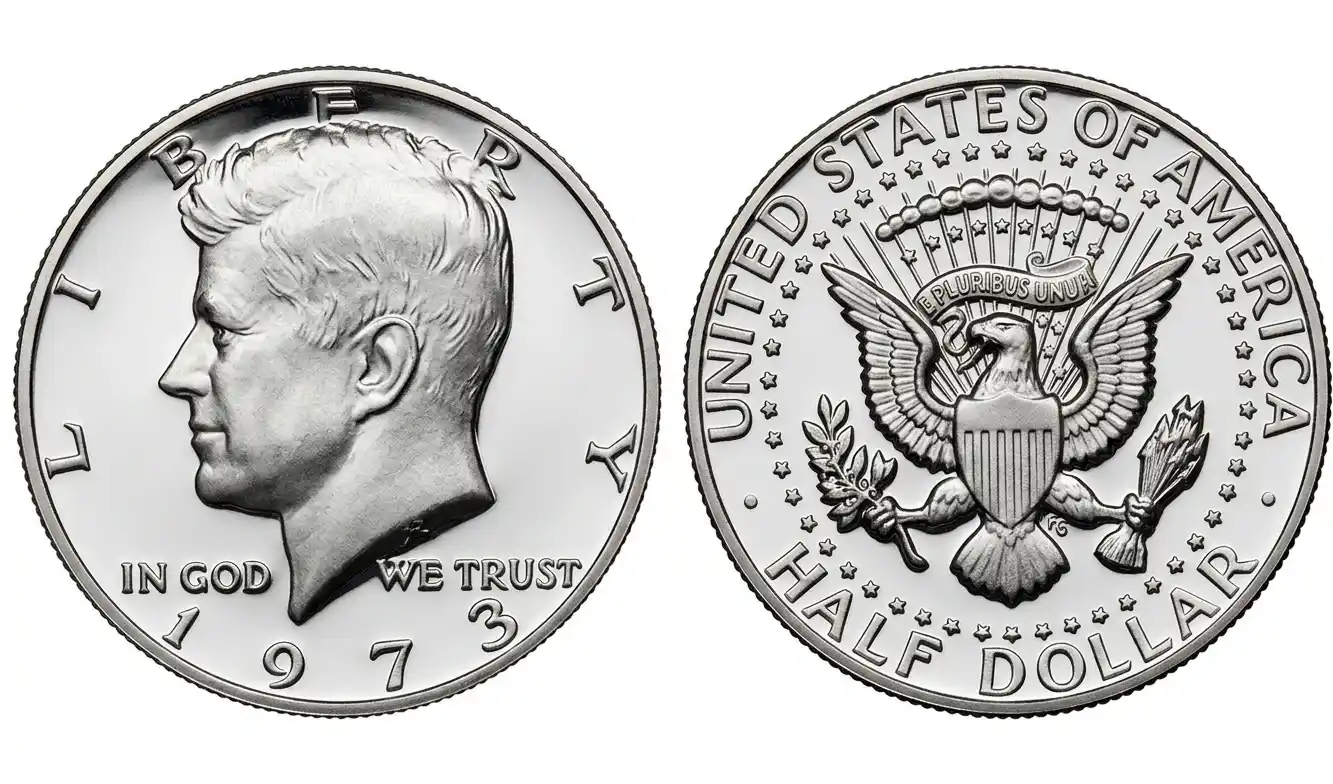
Circulation-grade items appear abundant, yet premium specimens demonstrate distinct market behavior.
Professional investors pursue high-quality 1973 examples to bolster numismatic holdings.
Mass production figures offer no guarantee of individual value for every piece.
The market attractiveness of the 1973 half dollar depends heavily on technical metrics and surface preservation.
Historical Context of Production
Philadelphia and Denver mints manufactured vast quantities during 1973.
Standard commerce absorbed most of these assets upon release.
Daily use caused widespread wear on metallic surfaces across millions of units.
Ideal preservation remains rare, occurring in less than one percent of total output.
Technical Specifications
Physical Profile
Diameter: 30.6 mm
Weight: 11.34 grams
Metal Composition: Base metal mixture of 91.67% and 8.33%
Edge: Reeded
Quality of Striking and Market Impact
Clarity of design elements defines initial demand among professional buyers.
Sharp strikes enhance potential value significantly.
Weakly struck pieces lose appeal rapidly among serious participants.
Variables Affecting Design Sharpness
Die pressure levels
Surface condition of equipment
Manufacturing machine wear
Process Logic
High die pressure → Sharp relief images.
Worn die usage → Smooth, softened details.
Lack of oversight → Production variances.
Manufacturing Anomalies
Specialized production deviations create high-value asset categories.
Double Die
Design elements exhibit layered impressions resulting from inaccurate die positioning.
Market value increases by 50% relative to standard issues.
Off Centre
Incorrect planchet placement leads to shifted imagery.
Pricing relies on visibility levels of major design components.
Planchet Error
Weight parameters fall outside established regulatory bounds.
Scarcity drives interest among focused specialists.
Market Value Analysis
Historical price growth remains consistent for high-grade specimens.
MS65 Valuation Trends
2024 price: $45.
2025 price: $52.
2026 price: $60.
Annual growth averages approximately 15%.
High-End Market Segments
MS66 and higher grades command $150 or more.
Limited auction supply maintains current pricing trends.
Surface and Luster Assessment
Clean fields represent critical factors for final grade assignment.
Microscopic lines emerge frequently during storage or mishandling.
Undamaged surfaces → High grade potential.
Surface abrasions → Lower grade potential.
Luster preservation signals absence of destructive cleaning processes.
Chemical cleaning permanently destroys aesthetic appeal and market liquidity.
Professional Certification
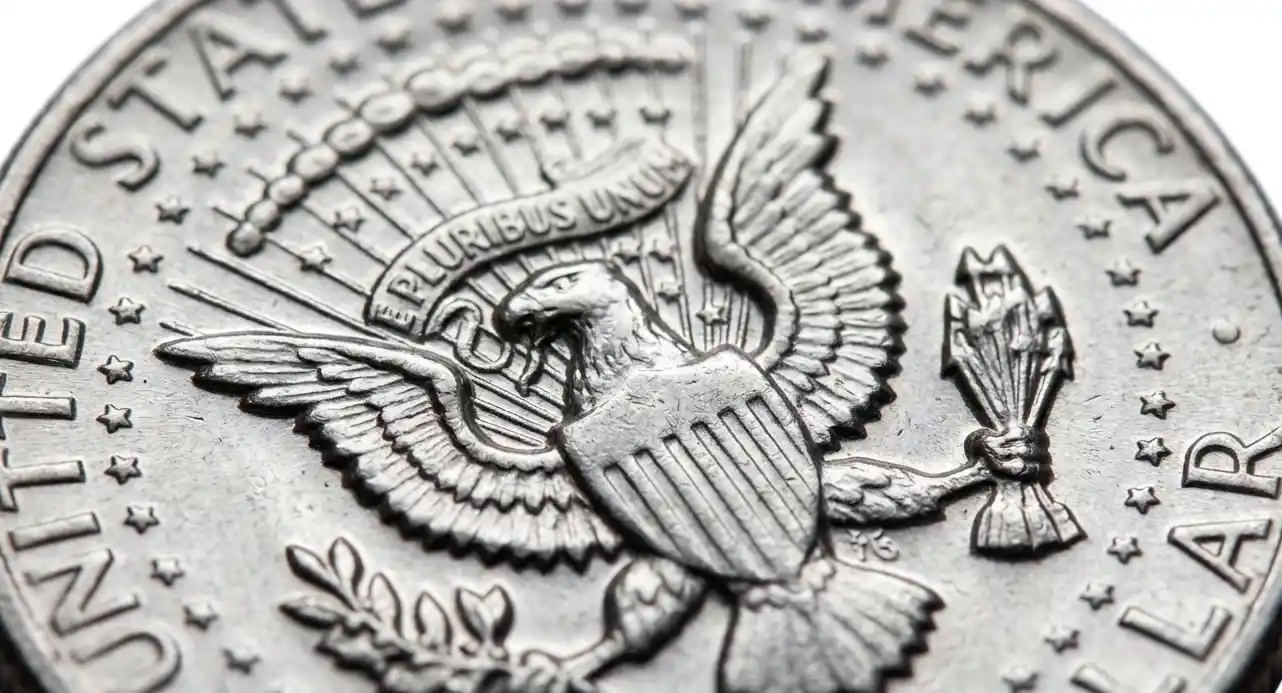
Grading services provide verification of authenticity and condition.
PCGS and the coin identifier app conduct independent assessment of individual assets.
Certification raises liquidity for 1973 half dollars significantly.
Investors rely on professional standards to avoid overvalued purchases.
Grading fees align with added asset value.
Acquisition Strategy
Purchase decisions require rigorous attention to detail.
Controlled lighting reveals hidden surface flaws.
The coin identification exposes real metal condition.
Standard equipment prevents valuation errors.
Verification Steps
Holder integrity check
Luster uniformity scan
Reference photo comparison
Auction history research
Circulation and Rarity Dynamics
Philadelphia mint output exceeded 64 million pieces in 1973.
Denver facility production surpassed 20 million units.
Large volumes classify most items as commodity goods.
Exceptional preservation defines the true investment asset.
MS67 grade inventory remains extremely scarce.
Low supply at peak grades fuels upward price movement.
Comparative State Analysis
MS63 specimens show minor circulation signs.
MS65 coins display bright luster with minimal marks.
MS67 pieces exhibit virtually flawless strike characteristics.
Grade and Value Relationship
Grade | Market Value |
MS63 | $20 |
MS64 | $30 |
MS65 | $55 |
MS66 | $120 |
MS67 | $250 |
Technical Inspection Techniques
Fields cover the majority of available surface area.
Microscopic marks dictate final evaluation scores.
Vertical lighting highlights hidden defects effectively.
Observation at 45 degrees determines luster intensity.
Careful inspection protects against capital loss.
Investment Recommendations
Prioritize items rated MS66 or higher.
Review past auction results for accurate cost benchmarks.
Avoid specimens showing artificial toning characteristics.
Maintain assets in specialized storage to stop metal degradation.
Continuous market monitoring supports investment security.
Application of professional standards ensures success when buying or selling.